
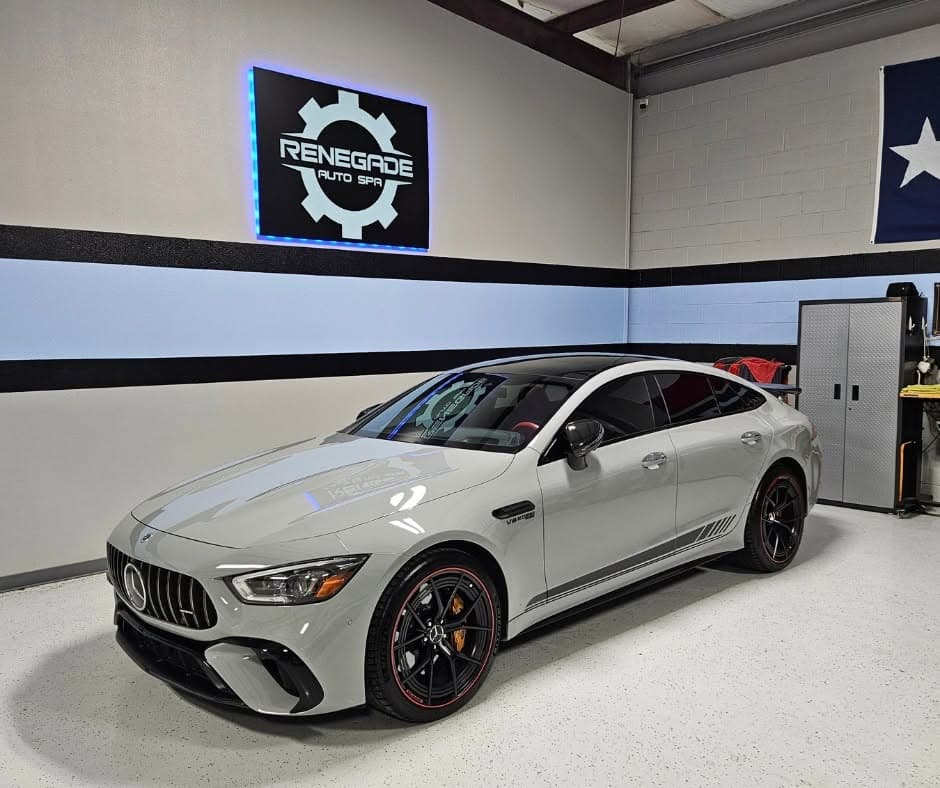
How Much Does PPF Cost? High-Impact, Full Front and Full Vehicle
September 16, 2026 · 6 min read
- ▸Coverage is the biggest lever. Film on the high-impact edges costs far less than a full front, and a full front costs far less than wrapping every panel.
- ▸Kelley Blue Book says full-vehicle PPF “has climbed to $2,500 or more, depending on the type and warranties.”
- ▸Most of the price is installation labor. LLumar leaves pricing to its installers, with “their labor being factored into the total cost.”
- ▸Vehicle size, body shape, paint prep and the film itself move the number from there.
- ▸A cheap quote usually means less coverage, exposed edges or skipped prep. Compare quotes panel by panel.
The short answer
Paint protection film doesn’t have one price, because you’re not buying one product. You’re choosing how much of the vehicle to cover, and paying for the hours it takes to prep the paint and lay film on each panel without lifting, stretching or visible seams.
For a benchmark on the top end, Kelley Blue Book puts full-vehicle PPF at “$2,500 or more, depending on the type and warranties.” Covering only the front of the vehicle, where rock chips actually land, costs a fraction of wrapping every panel.
Decide what you want protected first. The coverage level sets the price more than anything else.
Coverage levels, from least to most
Partial coverage on the hood and fenders ends partway up the panel. It protects the edge that takes the most hits, but the film line can be visible up close. A full front covers those panels edge to edge, so there’s no line across the hood, which is why most owners choose it.
| Coverage | What’s covered | Relative cost | Best for |
|---|---|---|---|
| High-impact | Leading edge of the hood and fenders, mirrors, door cups, rockers behind the wheels | $ | Protecting the spots that chip first on a budget |
| Full front | Full hood and fenders, full front bumper, mirrors, headlights, A-pillars | $$ | Most highway drivers — our most popular kit |
| Full vehicle | Every painted panel | $$$ | New, high-value or show vehicles, and owners who want zero compromise |
You’re paying for installation, not just film
LLumar, the film we install, doesn’t publish consumer prices. Its FAQ says pricing is set by the dealers who install the film, with “their labor being factored into the total cost.” That labor is where quality shows up.
Before any film goes on, the paint has to be washed, decontaminated and free of anything that would get trapped under a clear layer for years. Then each panel is fitted, positioned and squeegeed out, with edges wrapped where the panel allows. A rushed install shows up later as lifted edges, trapped dirt and visible seams.
Film is clear. Whatever is on the paint when it goes on stays visible under it.
What moves the price
| Factor | Why it changes the number |
|---|---|
| Coverage level | The biggest swing: high-impact vs. full front vs. every panel. |
| Vehicle size | A full-size truck or three-row SUV has much more hood, bumper and panel than a coupe. |
| Body shape | Aggressive bumpers, vents, sensors and deep curves take more time to fit cleanly. |
| Paint condition | Swirls and scratches get sealed under the film, so many owners correct the paint first. |
| Film line | Premium films differ in clarity, self-healing top coats and warranty length. |
| Add-ons | Ceramic coating over the film, headlights, door edges and interior trim each add labor. |
How to compare PPF quotes
Two quotes for “front-end PPF” can describe very different jobs. Before you compare prices, ask each shop:
- ·Exactly which panels are covered, and is the hood and fender coverage full or partial?
- ·Is the film pre-cut from a vehicle-specific pattern, and are edges wrapped where possible?
- ·Which film is it, and what does the manufacturer’s warranty cover and for how long?
- ·What prep is included — a decon wash only, or paint correction too?
- ·What happens if an edge lifts after install?
Is PPF worth the cost?
It depends on how you drive and how long you keep the vehicle. Rock chips land almost entirely on the front end, and they don’t polish out — the paint is gone. Film takes the hit instead, and LLumar notes that “the majority of surface scratches will self-heal when exposed to a heat source, such as the sun.”
PPF earns its price most on vehicles that see a lot of highway miles, new or high-value vehicles, and dark colors where every chip shows. If chips aren’t your concern and you mainly want gloss and easier washing, a ceramic coating may be the better spend. Many owners do both: film on the front, coating over everything.
Before and after install
- ·Freshly painted panels need time first. LLumar says “30 days is the common waiting period for the new paint to outgas.”
- ·Don’t wash it right away. LLumar recommends waiting three days (72 hours) after installation.
- ·Hand wash it. LLumar discourages pressure washing and automatic car washes, which can lift edges — and that lifting isn’t covered by the warranty.
What we install
We’re a certified LLumar installer. We offer three coverage levels — High-Impact, Full Front and Full Vehicle — and LLumar paint protection film carries a 10-year manufacturer warranty. We look at the vehicle, talk through how you drive it, and quote the coverage that makes sense rather than defaulting to the biggest package.
Common questions.
How much does PPF cost?
It depends mostly on how much of the vehicle you cover. Kelley Blue Book puts full-vehicle paint protection film at $2,500 or more, depending on the film and warranty. High-impact and full-front coverage cost less because they cover fewer panels. Vehicle size, body shape and paint prep set the final number, so we quote after seeing the vehicle.
Why does PPF cost so much?
Most of the price is skilled labor. The paint has to be decontaminated and clean enough to seal under clear film, and each panel has to be fitted and squeegeed without lifting, stretching or visible seams. LLumar notes its dealers set pricing because their labor is part of the total cost.
Is full front PPF worth it?
For most highway drivers, yes. Rock chips land on the hood, fenders, bumper and mirrors, and full-front coverage protects those panels edge to edge with no film line across the hood. It’s our most popular kit.
Is partial PPF cheaper than full front?
Yes. High-impact coverage protects only the leading edges of the hood and fenders plus other high-hit spots, so it uses less film and labor. The trade-off is a film line partway up the panel that can be visible up close.
How long does PPF last?
The LLumar film we install carries a 10-year manufacturer warranty. Hand washing and avoiding pressure washers and automatic car washes help it last — LLumar notes lifting from those isn’t covered by the warranty.
Should I get paint correction before PPF?
If the paint has swirls or scratches, it’s worth considering. Film is clear, so defects on the paint stay visible under it. We inspect the paint first and tell you whether correction is worth doing before the film goes on.
Book the work.
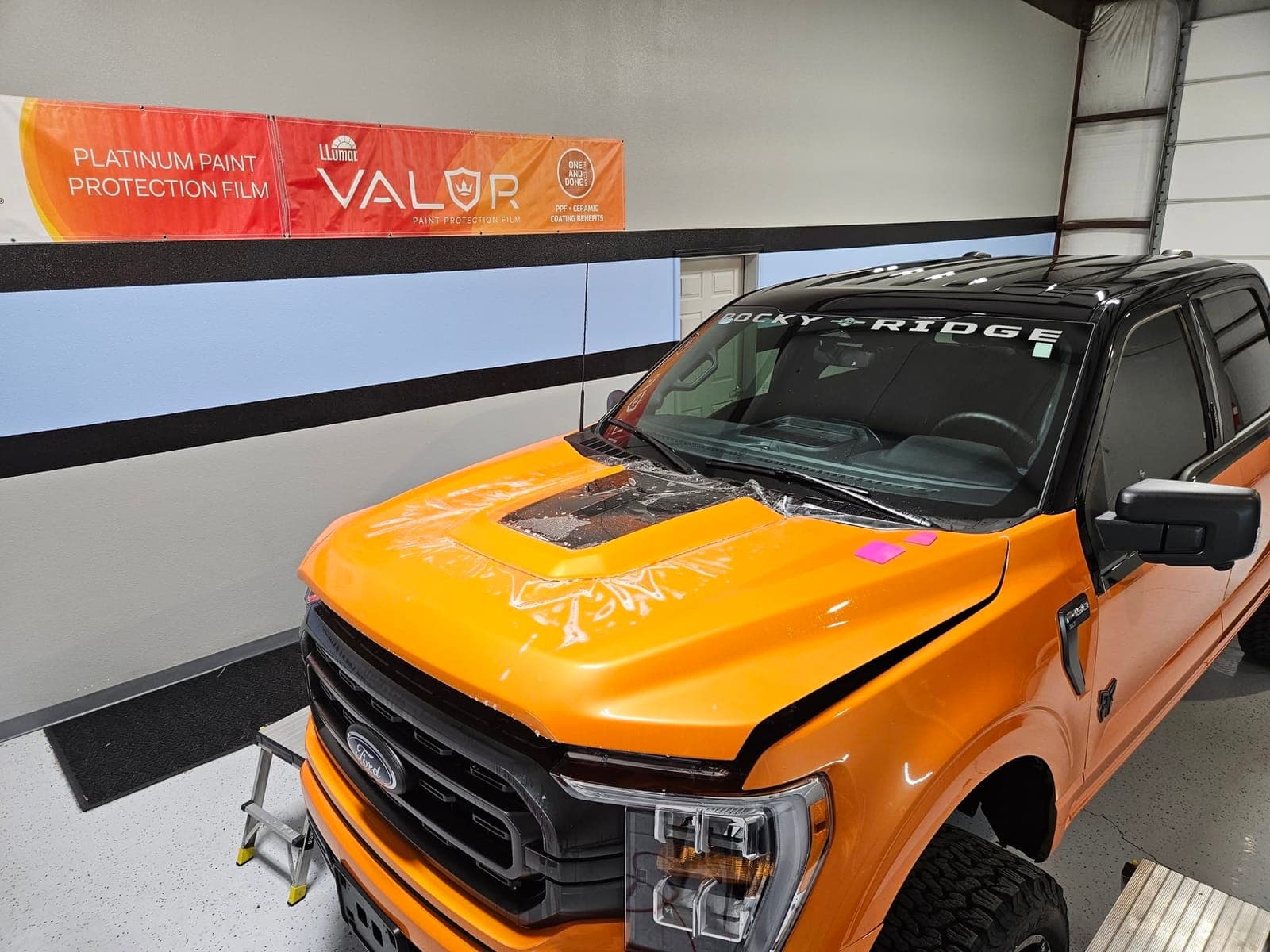
Paint Protection Film
Self-healing LLumar film — High-Impact, Full Front or Full Vehicle — with a 10-year warranty.
Explore
PPF vs. Ceramic Coating
What each one actually protects against — and why most owners end up with both.
Explore
What Is Paint Correction?
Remove swirls before they get sealed under film or coating.
ExploreGet a real PPF number.
Tell us the vehicle and the panels you want covered — we’ll recommend the right coverage and send a real quote.