
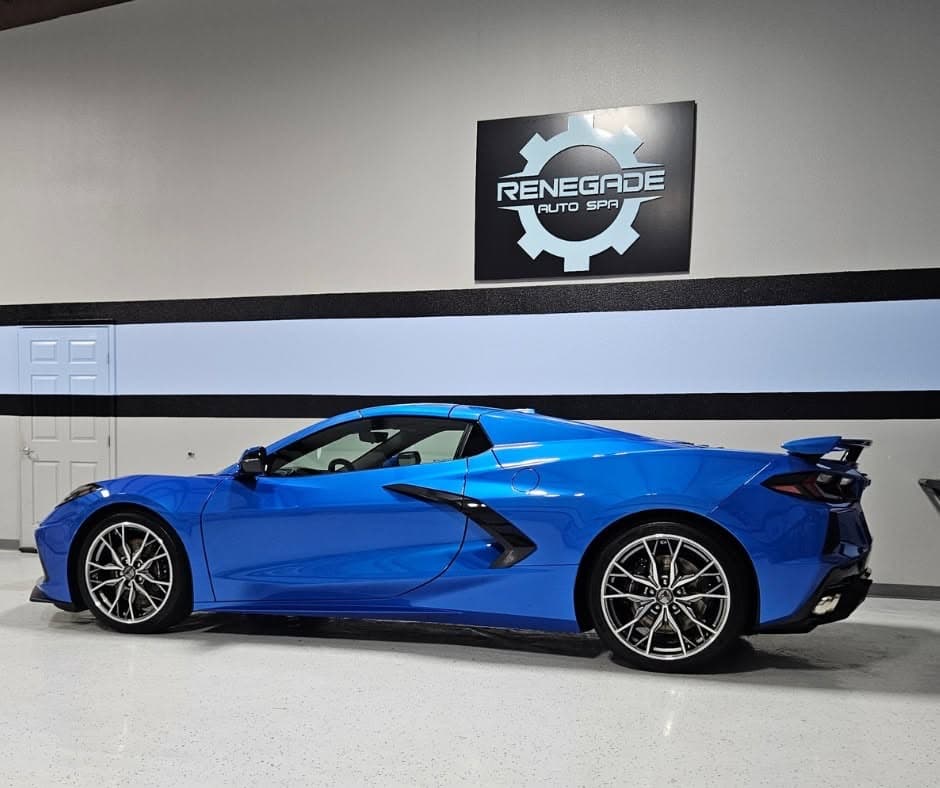
What Is Paint Correction? 1-Step vs. 2-Step and What Drives the Cost
September 16, 2026 · 6 min read
- ▸Paint correction machine-polishes the clear coat to remove swirls, light scratches, water spots and oxidation. It removes defects — it doesn’t hide them.
- ▸FEYNLAB puts it simply: scratches “that have not broken through the clear coat are generally correctable.”
- ▸A 1-step is a single polish for light defects. A 2-step cuts with a compound, then refines with a polish. Neglected paint may need more.
- ▸The labor is the cost: FEYNLAB says correction takes from about 4 hours for a light single-stage polish to 20+ hours for severe multi-stage work.
- ▸Protect it afterward. Correction removes the damage, but washing will bring swirls back unless the paint is coated or filmed.
The short answer
Paint correction is the process of machine-polishing a vehicle’s clear coat to level out the defects that make paint look dull — the spiderweb swirls from automatic washes, fine scratches, water spots and oxidation. When it’s done, light reflects off an even surface again, which is what brings back real depth and gloss.
The key word is remove. Waxes and glazes fill in swirls and hide them until they wash off. Correction takes the defect out of the clear coat.
What correction can and can’t fix
| Defect | Can correction fix it? |
|---|---|
| Swirl marks and wash haze | Yes — this is what correction is for |
| Light scratches and marring | Yes, if they haven’t broken through the clear coat |
| Water spots etched into the paint | Usually, depending on how deep they’ve etched |
| Oxidation and dull, chalky paint | Yes, on paint that still has clear coat to work with |
| Scratches through the clear coat or to primer | No — too deep to polish out safely |
| Rock chips | No — the paint is missing, not scratched |
If a scratch has gone through the clear coat, no amount of polishing will make it disappear safely.
1-step vs. 2-step vs. multi-step
The steps are how aggressively the paint is cut and refined. More steps remove heavier defects, but they take longer and remove a little more clear coat, so the goal is always the least aggressive process that gets the result.
| Level | What happens | Best for |
|---|---|---|
| 1-step (enhancement) | A single machine polish that removes light swirls and haze and restores gloss | Newer or well-kept paint |
| 2-step (correction) | A cutting compound to remove defects, then a finishing polish to refine the gloss | Moderate swirls and scratches — and before most ceramic coatings |
| Multi-step | Extra compounding and refining stages for heavy defects | Neglected, oxidized or show-level paint |
Is paint correction safe for your clear coat?
Every correction removes a very small amount of clear coat — that’s how it levels out the defects. Done correctly, it’s safe. Done carelessly or repeated too often, it isn’t.
That’s why measurement matters. FEYNLAB notes that paint thickness gauges “can measure remaining clear coat if you’re concerned about repeated correction.” We measure before cutting and use the least aggressive step that gets the result, rather than reaching straight for the heaviest compound.
What drives the cost
Paint correction is priced by labor, and FEYNLAB’s time range shows how wide that is: from about 4 hours for a light single-stage polish to 20+ hours for severe multi-stage correction on neglected paint. What pushes a job toward the long end:
- ·Vehicle size — a crew-cab truck has far more paint than a coupe.
- ·Paint condition — light haze is a quick 1-step; heavy swirls and oxidation need a 2-step or more.
- ·Color — black and dark paint show every defect, so they take more refining to finish clean.
- ·Paint hardness — some factory clear coats are harder and slower to correct.
- ·What comes next — correction before a ceramic coating is held to a higher standard, because the coating locks in whatever is underneath.
Protect it once it’s corrected
Correction is permanent in the sense that the removed defects are gone — but the next careless wash starts putting new swirls back. FEYNLAB is direct about it: once correction is completed, “do not leave the paint unprotected.”
A ceramic coating is the most common next step: it locks in the corrected finish, adds gloss and makes the paint much harder to re-swirl. For the front end, paint protection film adds rock-chip protection on top. That’s also why every ceramic coating we do includes correction first.
How we do it at Renegade Auto Spa
We decontaminate the paint first, measure its thickness, then compound and polish panel by panel under inspection lights. Before anything starts, we show you what the paint needs and point out any scratches too deep to correct, so there are no surprises when you pick it up.
Common questions.
What is paint correction?
It’s machine-polishing the clear coat to remove defects — swirl marks, light scratches, water spots and oxidation — so the paint reflects light evenly again. Unlike a wax or glaze, it removes the damage instead of filling it in.
How much does paint correction cost?
It’s priced by labor, and the time varies a lot — FEYNLAB puts it at about 4 hours for a light single-stage polish up to 20+ hours for severe multi-stage correction. Vehicle size, paint condition, color and how many steps it needs set the price. We inspect the paint and quote before we start, and correction is included with every ceramic coating package.
Do I need a 1-step or a 2-step correction?
It depends on the paint. A 1-step handles light swirls and haze on newer or well-kept paint. A 2-step — compound, then polish — is for moderate swirls and scratches, and it’s the usual prep before a ceramic coating. We’ll look under the lights and recommend the least aggressive option that gets the result.
Will paint correction remove every scratch?
No. FEYNLAB notes that scratches that haven’t broken through the clear coat are generally correctable. Deeper scratches, and rock chips where paint is missing, can’t be safely polished out. We point those out before we start.
Does paint correction damage the clear coat?
It removes a very small amount, which is how it levels defects. Done correctly that’s safe — the risk is careless or repeated aggressive polishing. We measure paint thickness and use the least aggressive step that works.
How long does paint correction take?
A 1-step usually takes a day, and a 2-step correction typically takes one to two days depending on the vehicle and its condition. FEYNLAB’s range for the polishing itself runs from about 4 hours to 20+ hours on severely neglected paint.
Book the work.
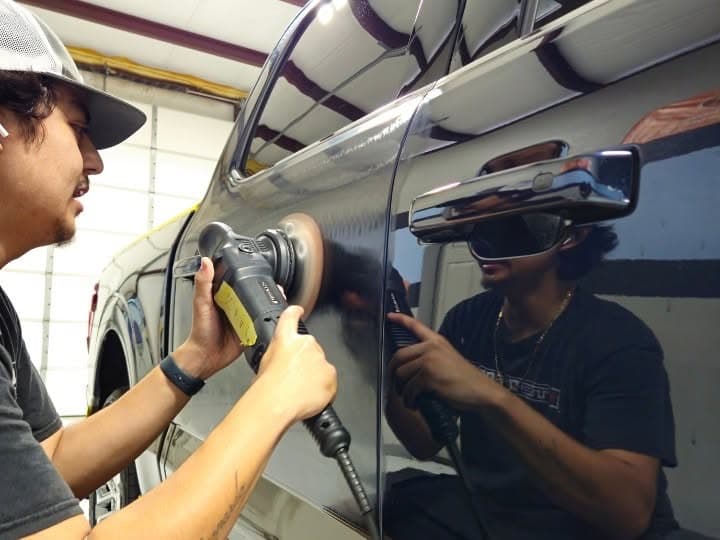
Paint Correction
1-step, 2-step and multi-step correction — measured, controlled and done in-house.
Explore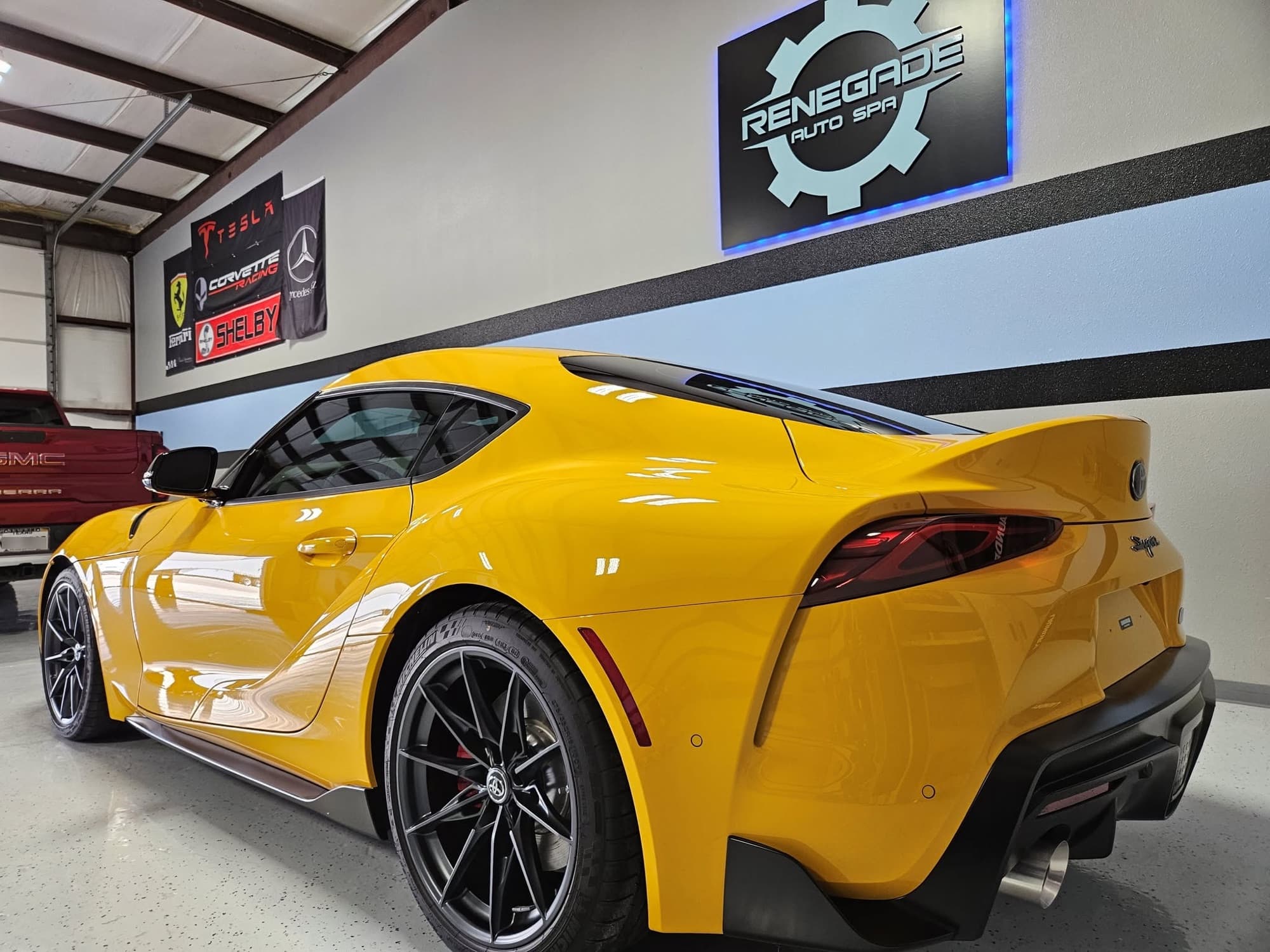
Ceramic Coating
Lock in the corrected finish with FEYNLAB ceramic — correction included.
Explore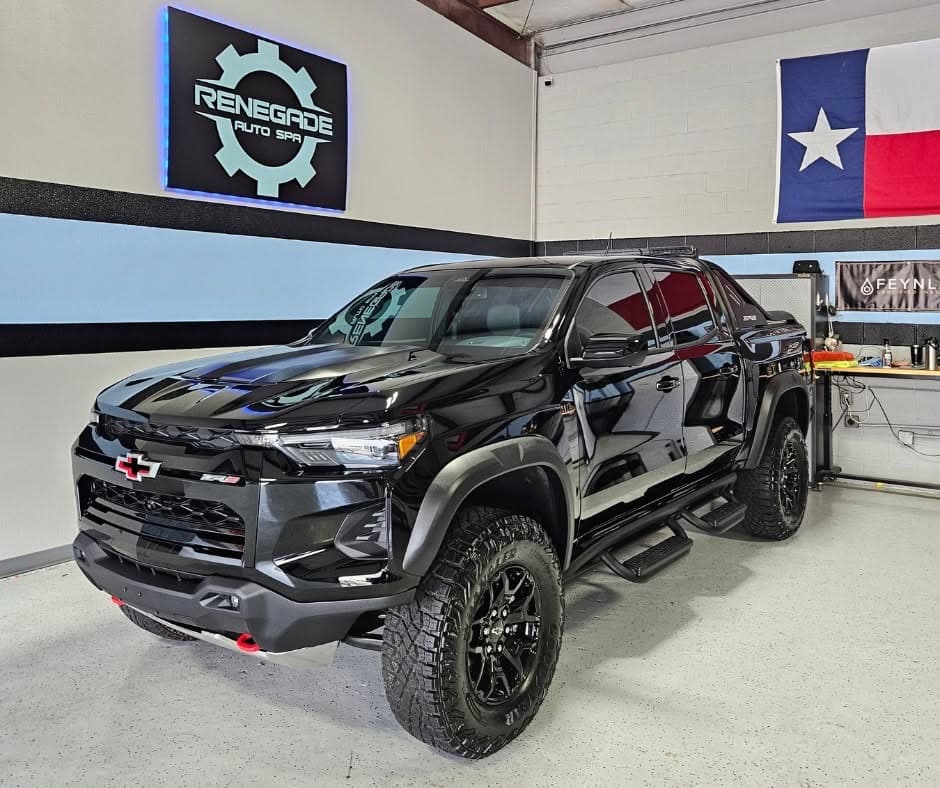
Is Ceramic Coating Worth It?
The honest pros, cons and myths — including why correction comes first.
ExploreSee what your paint needs.
Tell us the vehicle and what’s bugging you about the paint — we’ll inspect it and send a real quote.