
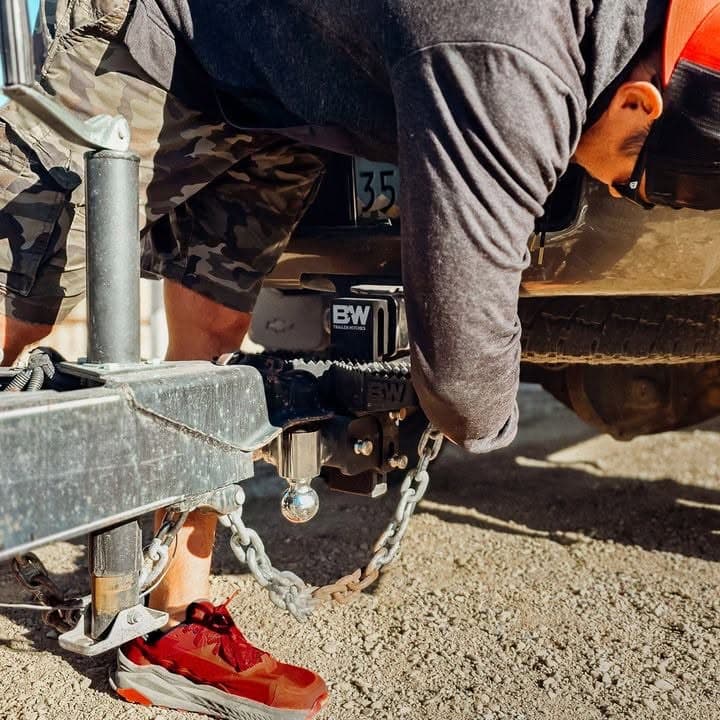
How Much Does Hitch Installation Cost? Receiver, Gooseneck and 5th Wheel
September 16, 2026 · 6 min read
- ▸The hitch type decides most of the cost: a bolt-on receiver is the smallest job, a gooseneck is next, and a 5th wheel is usually the biggest.
- ▸Hitch class matters — Kelley Blue Book rates Class III hitches to 8,000 lbs and Class V to 20,000 lbs, and heavier-rated hardware costs more.
- ▸Wiring and a brake controller are separate line items and often the difference between a cheap quote and a real one.
- ▸A factory gooseneck prep package can make an under-bed install cleaner and faster.
- ▸A bigger hitch never raises your truck’s towing capacity. Match the setup to the truck and the trailer.
The short answer
Hitch installation isn’t one price because “a hitch” can mean a bolt-on receiver for a bike rack or an under-bed 5th wheel for a 15,000-pound camper. The type of hitch sets the size of the job, and the wiring and brake controller your trailer needs set the rest.
We don’t publish a flat hitch price for that reason — the same job can differ a lot between a half-ton with factory wiring and a heavy-duty truck that needs a brake controller added. Here’s how the options compare.
| Hitch type | Best for | Relative cost |
|---|---|---|
| Receiver hitch | Bike racks, cargo carriers, utility and boat trailers | $ — smallest job |
| Gooseneck | Stock, flatbed and equipment trailers | $$ — less than a 5th wheel |
| 5th wheel | Campers and RVs | $$$ — usually the most |
Receiver hitches
A receiver hitch bolts to the frame under the rear bumper and gives you the square receiver tube everyone recognizes. It’s the simplest install and the lowest cost of the three.
What changes the price is the class. Kelley Blue Book’s towing guide lays out the ratings: Class III hitches pull up to 8,000 pounds with up to 800 pounds of tongue weight, Class IV up to 10,000 pounds, and Class V up to 20,000 pounds. Heavier-rated hardware costs more, and on some trucks the install is more involved.
Gooseneck vs. 5th wheel
Both mount in the bed over the rear axle and handle far heavier loads than a bumper receiver. CURT, one of the largest hitch manufacturers, rates both types to “up to 30,000 lbs.” The differences come down to the trailer and how you use the bed:
| Gooseneck | 5th wheel | |
|---|---|---|
| Connection | Ball and coupler | Jaws and kingpin |
| Typical trailers | Livestock, flatbed, equipment | RVs, travel trailers, campers |
| Bed space | Minimal — the ball can stow away | Bulky, but removable |
| Towing feel | Noisier | Smoother and more stable |
| Cost | Comparatively less expensive | Relatively more expensive |
Your trailer picks the hitch. Gooseneck for work trailers, 5th wheel for campers.
What moves the price
- ·Hitch type — receiver, gooseneck or 5th wheel.
- ·Hitch class and rating — heavier-rated hardware costs more.
- ·Your truck — some install with bolt-on brackets; others need more work to mount cleanly.
- ·Factory prep package — many newer Ford, Ram and GM trucks have factory under-bed mounting points that make gooseneck and 5th wheel installs cleaner and faster.
- ·Wiring — whether the truck already has a working 4-pin or 7-pin connector.
- ·Brake controller — heavier trailers with electric brakes need one mounted and wired in the cab.
- ·The bed — spray-in liners and bed covers change how the bed openings are finished.
The line items cheap quotes leave out
The fastest way to get surprised on a hitch is to compare a hitch-only price against a finished install. A receiver on its own doesn’t light up a trailer or stop it. Ask any installer whether the quote includes the wiring connector, a brake controller if your trailer needs one, and a test with the lights and brakes before you leave.
For bumper-pull trailers that squat the rear of the truck or sway, Kelley Blue Book notes a weight-distribution hitch “is often the most cost-effective way of improving towing performance.”
A bigger hitch doesn’t mean more towing capacity
Putting a 20,000-pound hitch on a truck doesn’t let the truck tow 20,000 pounds. Your truck’s own ratings still set the limit. As Kelley Blue Book puts it, “even if you can get the vehicle moving with a heavier load than posted, you may not be able to control it safely or stop it at a safe distance.”
That’s why we size the hitch to the truck and the trailer together — not to the biggest number on the shelf.
Getting a real number
Tell us the truck, whether it has a factory tow or gooseneck prep package, what you’re towing and roughly how much it weighs, and whether the trailer has electric brakes. That’s everything we need to quote the hitch, the wiring and the brake controller as one finished job — installed and tested.
Common questions.
How much does trailer hitch installation cost?
It depends on the hitch type and what your truck needs. A bolt-on receiver on a truck with factory wiring is the smallest job; a gooseneck is more; a 5th wheel is usually the most. Wiring and a brake controller add to any of them. Tell us the truck and the trailer and we’ll quote the finished install.
Is a gooseneck or 5th wheel hitch cheaper?
A gooseneck is generally the less expensive of the two — CURT describes gooseneck hitches as comparatively less expensive and 5th wheels as relatively more expensive. The right one is set by your trailer: goosenecks for stock, flatbed and equipment trailers, 5th wheels for campers and RVs.
What hitch class do I need?
Match it to what you tow. Kelley Blue Book rates Class III hitches to 8,000 pounds, Class IV to 10,000 pounds and Class V to 20,000 pounds. Never go past your truck’s own towing rating, whatever the hitch is rated for.
Does a factory gooseneck prep package lower the cost?
It usually makes the job easier. Many newer Ford, Ram and GM trucks have factory under-bed mounting points, which makes gooseneck and 5th wheel installs cleaner and faster. We’ll confirm what your truck has when you book.
Do I need a brake controller?
If your trailer has electric brakes, yes — the brake controller is how the truck operates them. We install in-dash brake controllers and wire and test them with the rest of the setup.
Can you install a gooseneck in a truck with a spray-in bedliner?
Yes. The bed openings are cut cleanly and finished so the hitch and liner work together — and if you’re planning both, we can do them in the same visit.
Book the work.
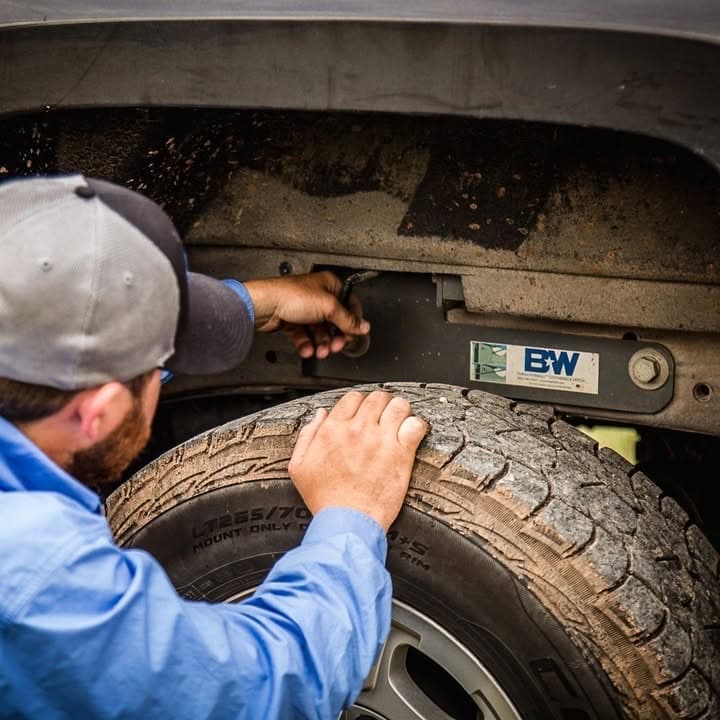
Hitches & Towing
Receiver, gooseneck and 5th wheel hitches, brake controllers and wiring — installed and tested.
Explore
Suspension / Air Ride
Air bags and tow-tuned setups that keep a loaded truck level and stable.
Explore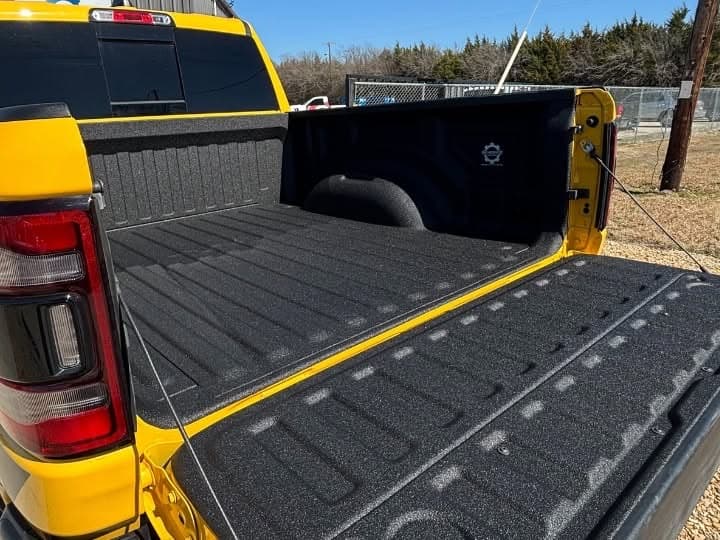
Spray-In Bedliner Cost
What a spray-in liner costs — the common pairing with a gooseneck install.
ExploreQuote the whole setup.
Tell us the truck and what you’re towing — we’ll quote the hitch, wiring and brake controller as one job.